PPID Â鶹ֱ²¥ Workshop: Digitalization is the Key to Public Information Disclosure during the Pandemic
By Adi Permana
Editor Adi Permana
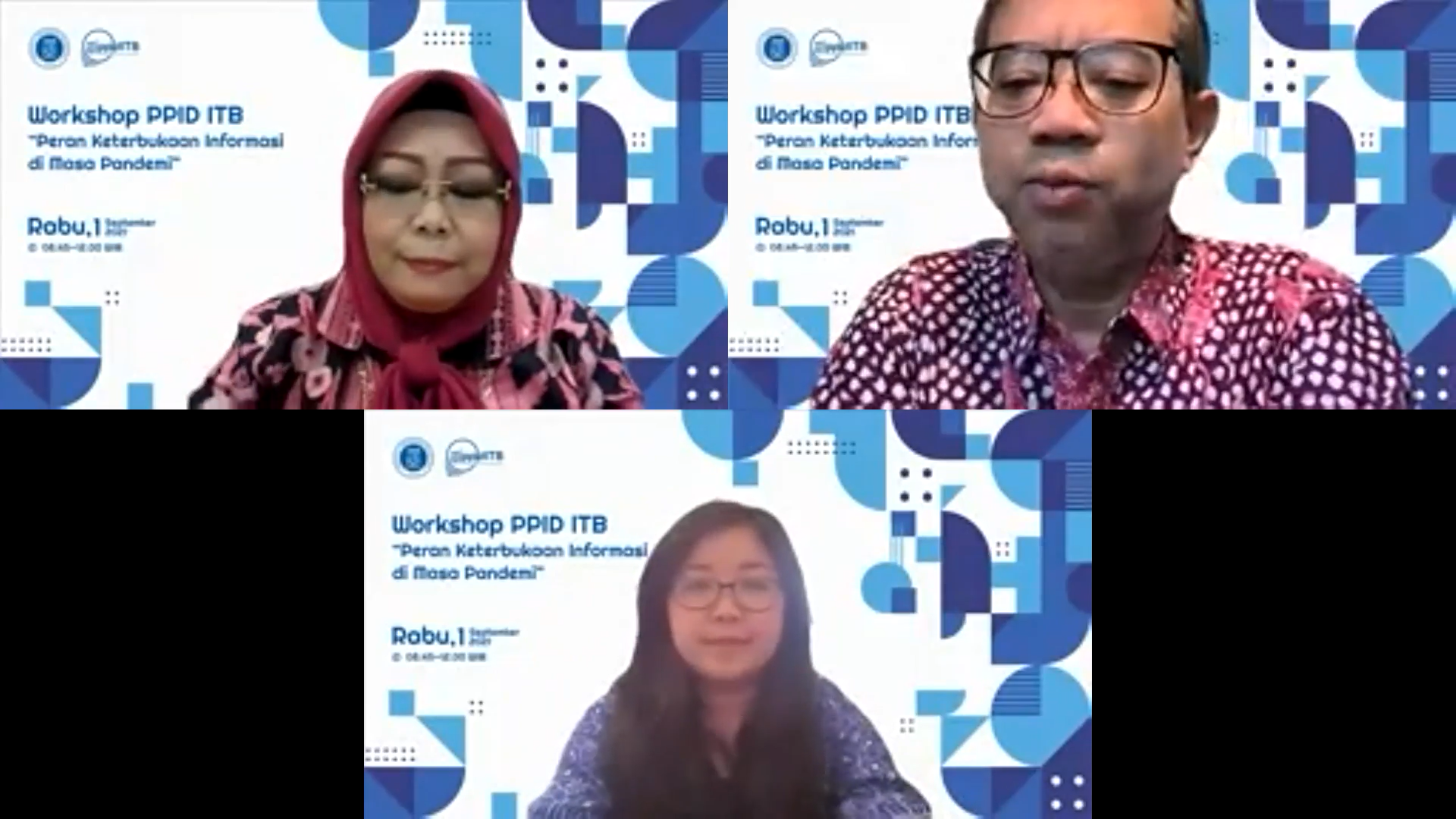
BANDUNG, itb.ac.id – In order to promote Â鶹ֱ²¥ role in public information disclosure, PPID Â鶹ֱ²¥ held a workshop themed The Role of Information Disclosure during Pandemic Time, on Wednesday (01/09/2021). This workshop presented expert staff from Indonesia Central Information Commission (KIP).
The Â鶹ֱ²¥ Institute Secretary (PPID Utama), Prof. Dr.-Ing. Ir. Widjaja Martokusumo, opened the workshop by mentioning that Â鶹ֱ²¥ as a public body since last year has made many improvements in multiple fields to improve its public information services.
This was done by involving the head of the work unit, allocating the fund, innovating and collaborating to provide easier access to public information for the general public, and increasing PPID Â鶹ֱ²¥ capability at the work unit level through personnel training.
"This webinar on the role of public information disclosure during the pandemic is the fourth training for Â鶹ֱ²¥ PPID staff," he said.
Annie Londa in his presentation showed us the graph of compliance level of the public bodies (BP) on public information disclosure in 2020. The data showed that 41.9% of the BP is uninformative while only 17.24% of the BP is informative. For this reason, she hopes that in the future more BP will be able to carry out public information disclosure.
"Thanks to Â鶹ֱ²¥ which has improved its public information service quality, not only for monitoring and evaluation but also for continuous and sustainable development," she said.
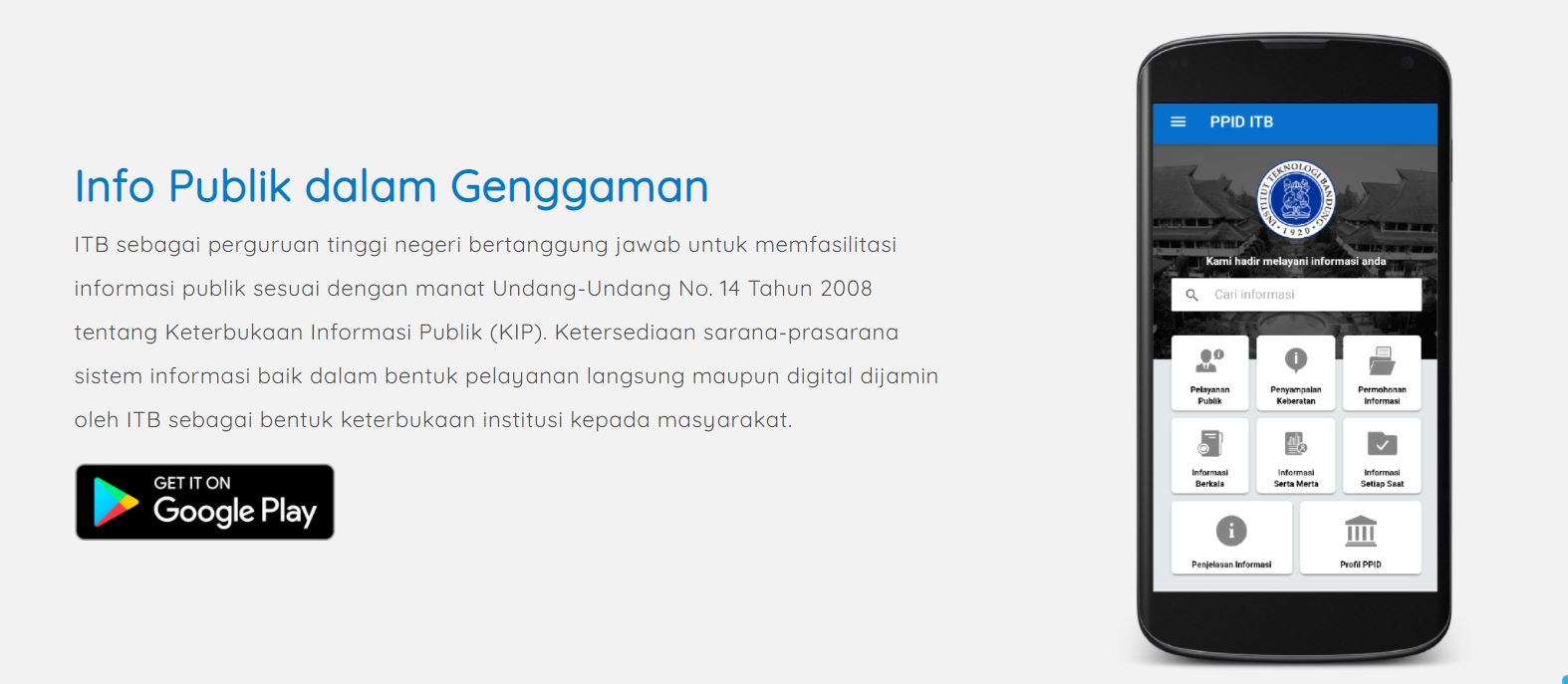
She explained that the general condition of the development of KIP during the pandemic time should be done digitally or online. This is the reason why KIP encourages all institutions to have an online-based application so that everyone can access the information. "Of all the public bodies, 73 percent of them still do not have mobile-based application services," she said.
She then specifies that to optimize public information service, PPID can do some of these points: 1.) Providing updates for both disclosed and open public information, 2.) Improve the infrastructure of PPID, 3.) Allocate the fund for PPID, 4.) Improving the human quality of PPID Utama, 5.) Composing the SOP and enabling online IP service, 6.) Develop internal information system, 7.) Ensuring sustainable coordination and internal evaluation.
In addition to that, Annie also giving recommendations on how to optimize PPID Â鶹ֱ²¥ according to the new Article 5 of Information Commission Regulation Number 1 Year 2010 on Public Information Service Standard (Perki SLIP). She explained that the main point of that law is that public bodies are obliged to build and develop systems for storing, documenting, providing, and serving public information. "Going digital has been our obligation as PPID," she explained.
The workshop then continued with a question-and-answer session. The workshop participants consist of PPID officials, PPID executives, and PPID staff from faculty/school and work units. The participants look enthusiastic and asked many questions to Annie Londa.
Translator: Favian Aldilla R (Civil Engineering, 2019)
.jpg)
.jpg)
.jpg)
.jpg)
.jpg)